
Vernacular Halting
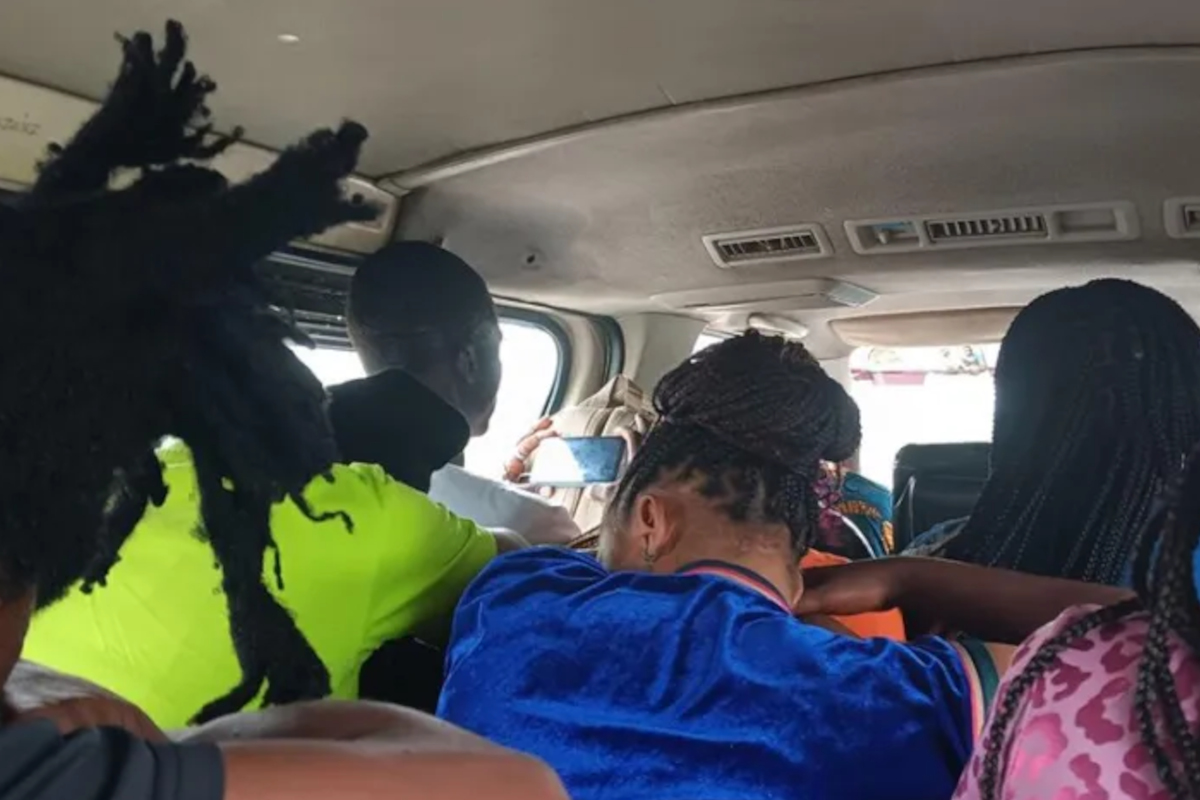
The Lagos traffic jam, “go-slow,” a mercurial phenomenon that can snarl the metropolis for hours, knows when you are most in a hurry! Despite government efforts to ease congestion, such as banning danfos (passenger vans) and okadas (motorbikes), these measures face resistance. Such bans eliminate essential tools Lagosians use to navigate gridlock, thereby diminishing their agency to manage immobility, time, and their spatial understanding of the city. Unsurprisingly, this slow violence is etched into cultural memory, from Fela Kuti’s 1972 lament “Go Slow” to the protective inscriptions painted on vehicles, like “nothing pass god” and “na Jesu save.”
With the rise of new digitised technologies at the nation-state border, the border itself has become more difficult to identify, demanding new tools and methods to recognize it and intervene. In this paper, we explore how artists are being impacted by borders but also how they respond, critique and interfere. Artists have long been experimenting, breaching, and revealing the weakness of the border, both in terms of symbolic borders like categorical associations and the nation-state border. Artistic interventions into conventional, physical borders include painting the border invisible, simulating the border, rendering a border permeable via audio technology and designing seesaws with which people on either side of the wall can interact. But how can artists respond to new digitised border technologies? How can they react to a border that is no longer symbolising a “line- in-the-sand,” but a border that is “everywhere”?
This paper is about the power of the people (in numbers and over time) to witness, document, and conjure power, thus manifesting their own communal realities that often sit in contrast to oppressive state accounts. It is about the transmission of information to help define and sustain communal identity. Conjuring is not the frivolous making of fiction, but rather a participatory and collaborative communal act that takes into account lived experiences; it is attentive to the past, the present, the future, and the politics of scale.
Prologue
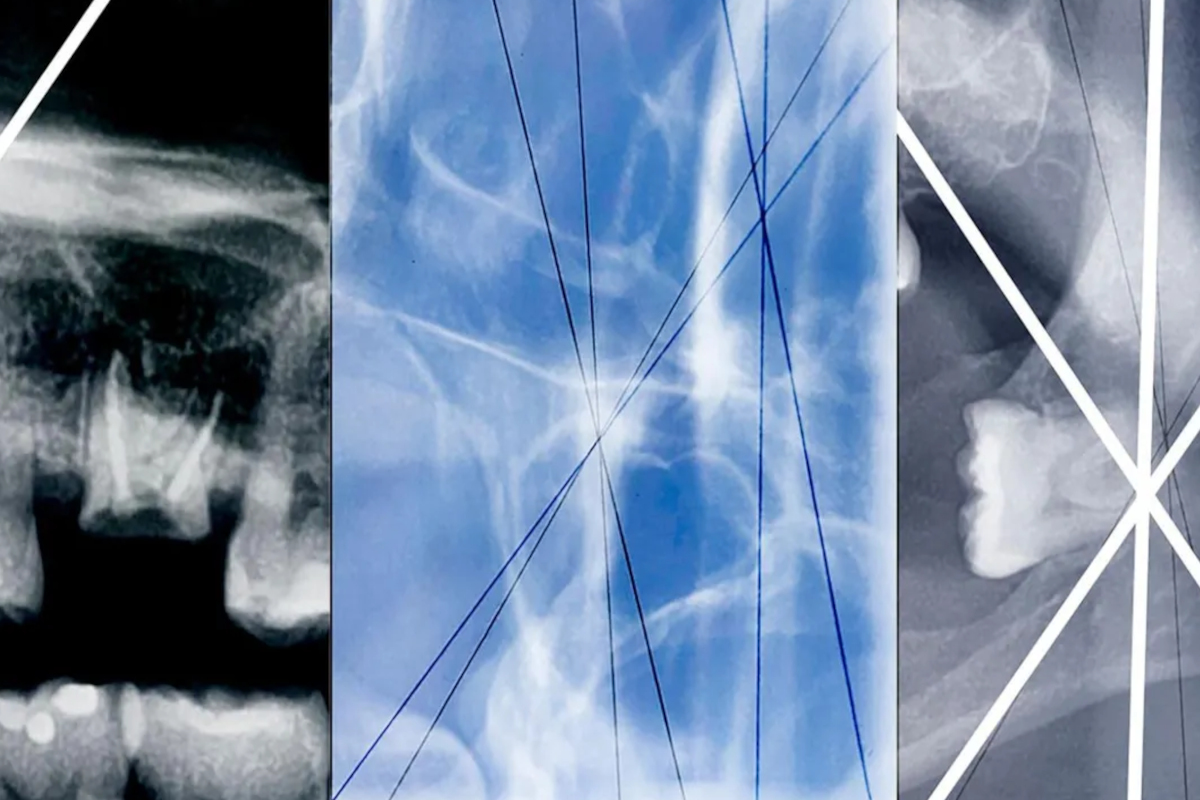
In this essay, we explore the X-ray from four perspectives, which we call 'folds.' The 'folds' embody literary endeavours that increasingly venture into the realm of speculation. The first fold aims to understand the socio-political ide- als that the X-ray surfaced from, to understand the imaginations and desires that formed the technological device. This foundation allows us to reimagine and speculate about alternative variations of the X-ray. The second fold probes how dance can be used to resist the X-ray and its desire to fix its subject. In fold three, we spec- ulate about the fantasies that arose in response to the X-ray. In the last fold, we build our own speculative technology that challenges the X-ray as a techno-political object.
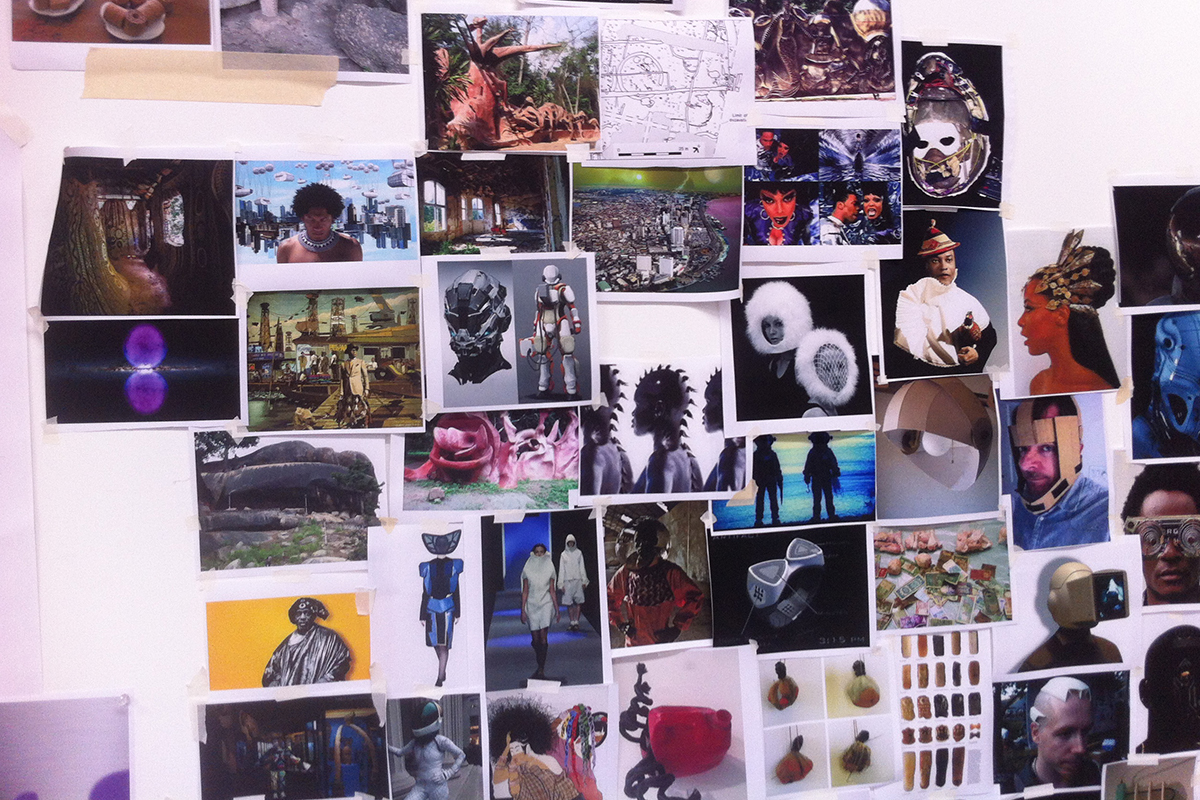
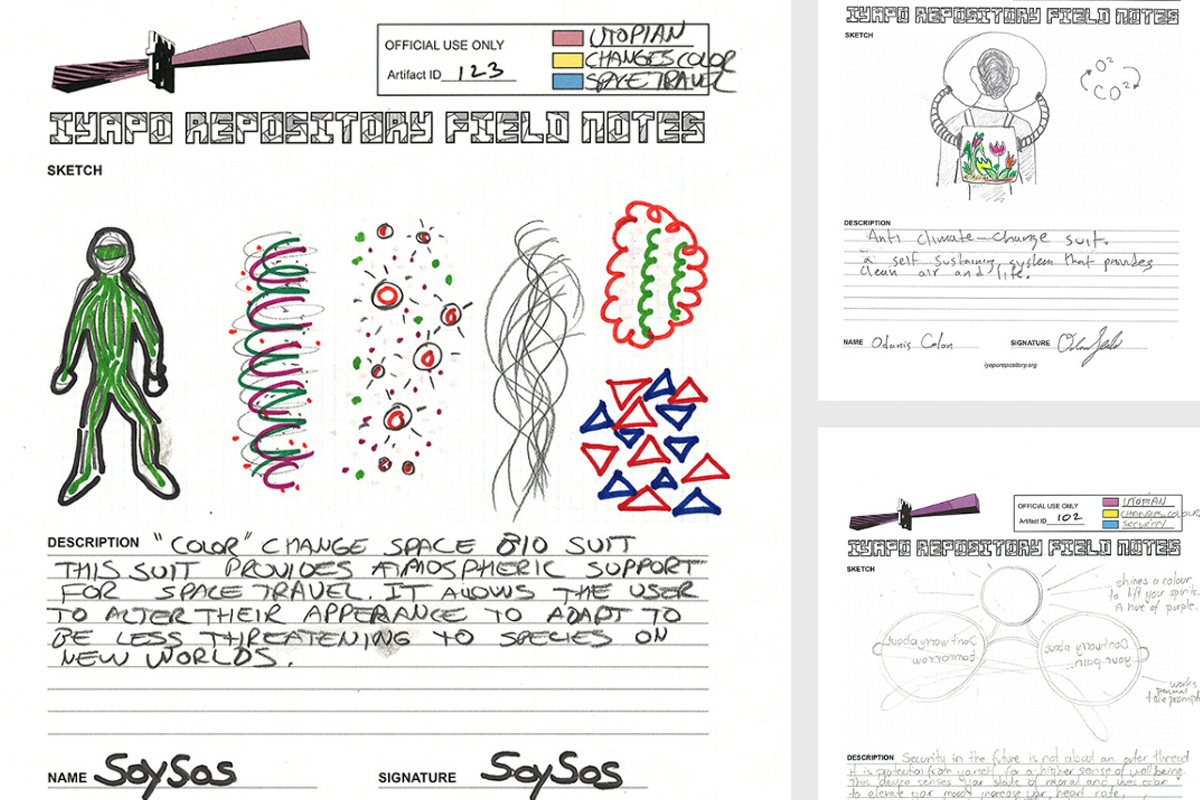
Iyapo Repository is a resource library, created by Ayodamola Okunseinde and Salome Asega, that houses a collection of digital and physical artifacts created to affirm and project the future of people of African descent.
This chapter describes the genesis of the repository, its development at the Eyebeam residency, and lessons gleaned from various repository workshops and exhibitions. Additionally the chapter looks at workshop and prototype methods utilized to create the repository.
It is hoped this chapter would serve as inspiration for envisioning alternate futures and its methods used as tools for healing and catharsis.
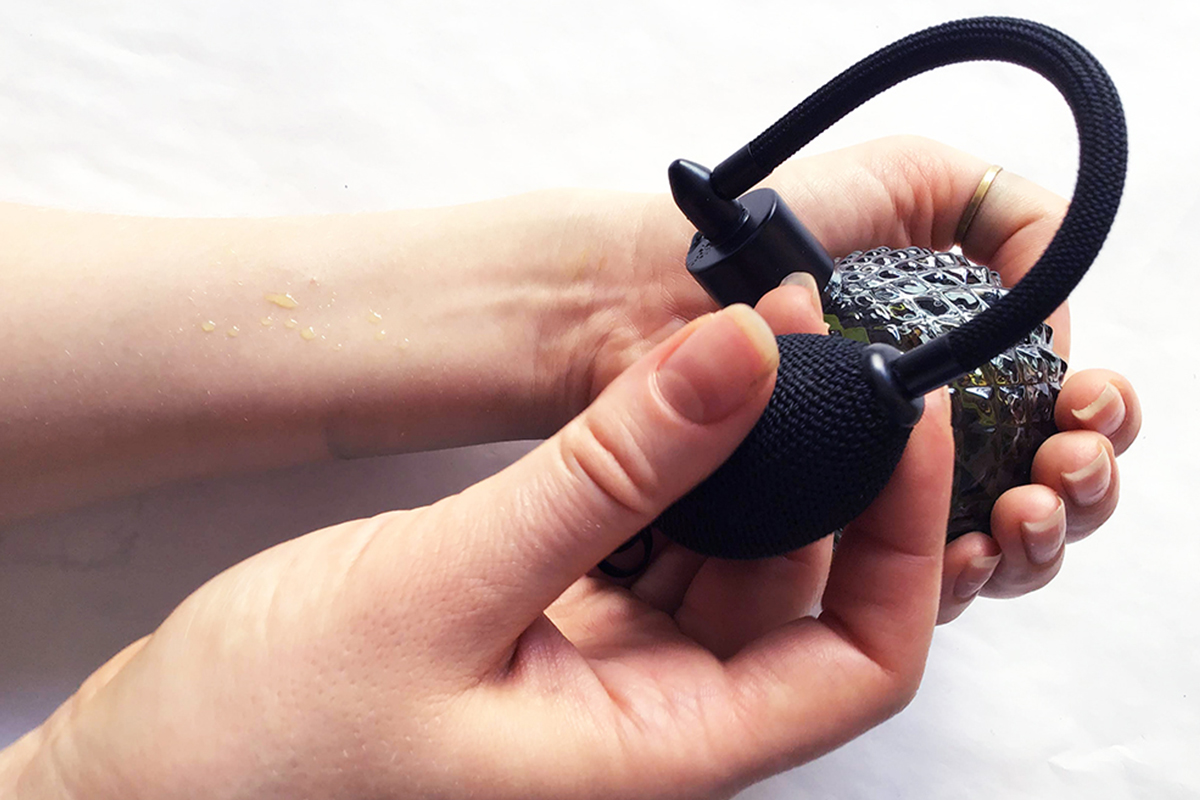
disgust. desire. design is a collection of anthropological experiments created by sacra collective on the nature of disgust and desire through the lens of design. The works seek to investigate the roles our olfactory and gustatory perceptions play in generating feelings of desire and disgust. Additionally, we seek to query what connections, if any, exist between desire and disgust.
sacra collective is a performance duo (Teresa Braun and Ayodamola Tanimowo Okunseinde) that explores the manifestation of “the sacred” in private and public spaces. sacra creates techno-shamanistic, interactive rituals that facilitate transformation within participants by challenging notions of self in a socio-political context, problematizing ideas of belonging, and questioning belief systems.