
Teaching
Speculative and Synthetic Ethnographies
Fall 2026 at The New School
Synthetic ethnographies reimagines the boundaries of ethnographic research by bringing anthropology into dialogue with media arts, design technology, and speculative theory. Rather than relying solely on observation and written text, the course approaches ethnography as an experimental creative design space in which methods can be invented, hybridized, and remixed. Students will critically examine how emerging technologies shape ethnographic observation, documentation, data, ethics, and presentation. Through a hands-on, multimodal curriculum, they will experiment with a diverse toolkit, from audio and video editing to 3D rendering in Unity, as well as generative AI platforms such as Google Notebook and Gemini, to produce soundscapes, media collages, and immersive spatial environments.
The semester culminates in the creation of a "Methodological Mixtape," a public-facing digital repository that synthesizes these experimental research practices. Designed for artists, technologists, and storytellers, the course invites students to interrogate ethnographic data and translate ethnographic theory into innovative, practice-based work within hybrid digital environments. The course will feature case studies and guest lecturers from Ella Hillström and Christoffer Horlitz, co-founders and principals of "for the love of inquiry", a design anthropology lab dedicated to pushing the boundaries of methodological and interdisciplinary approaches to anthropology to address complex issues faced by organizations and communities.
xFab
Ongoing at The New School
The industrial revolution with its focus on efficiency and quantity took the craft workers out of the equation. While much of the world's economy had relied on artisans before this, 'making' has returned to individuals and communities now with an extension of technology.
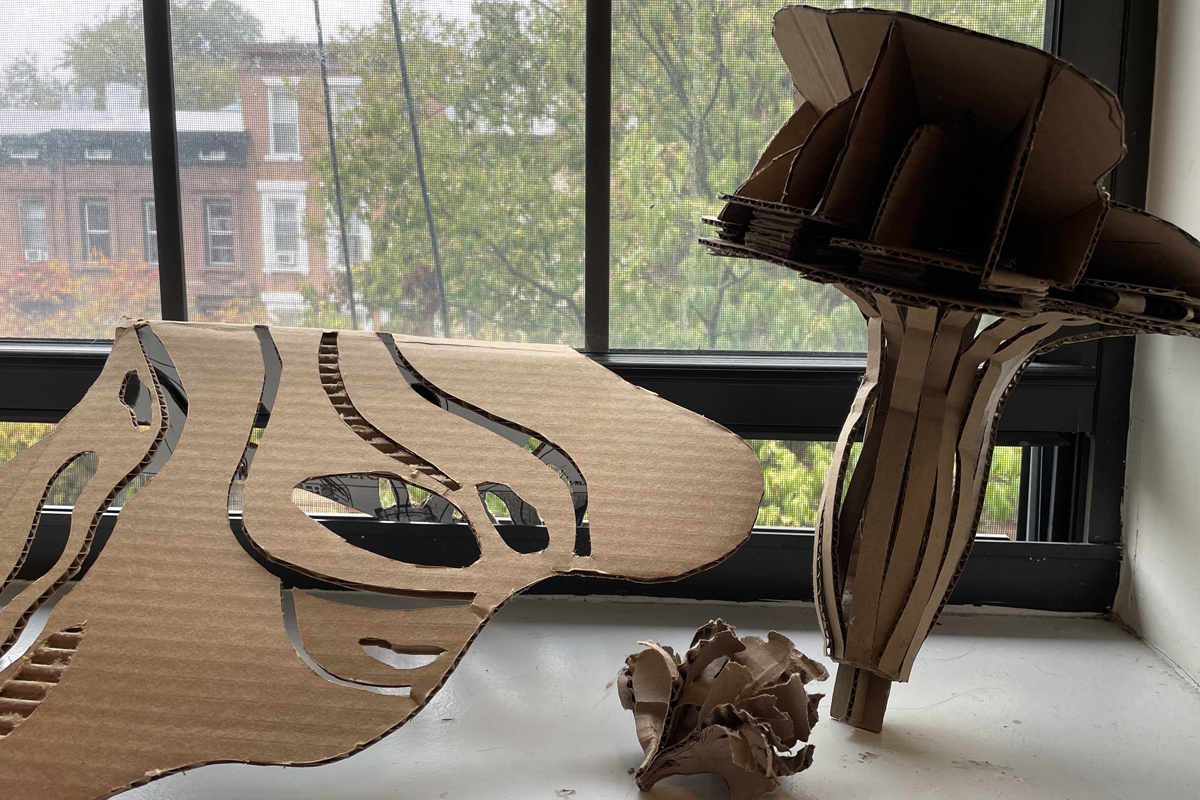
xFab Lecture and Lab are courses that work together to introduce crafts-based making and digital fabrication, charted through multiple historical and social perspectives. The lecture provides a history of making in communities across geographies, cultures and timelines. We analyze the origins of making, missing representations of grassroots makers and DIY counterculture. The lab adopts a hands-on approach to materials, tools and processes through instructor demos, plus weekly peer show and tell. Students will use the lecture/lab materials as background to develop weekly assignments using resources at the Parsons Making Center. Together, xFab Lecture/Lab are intended to help students develop fluency in readily incorporating a variety of materials and fabrication techniques into their practice, and create projects along various socially and culturally relevant themes.
In this course, students will be introduced to the fundamentals of making through electronics and fabrication in order to produce a wide range of creative work. The lectures will focus on materials and tools as used across cultures, geographies and timelines. The course will introduce current tools and techniques charted through multiple historical and social perspectives.

Curating Memory
Spring 2025 at The New School
Curating Memory: Heritage, Museums, and the Black Atlantic delves into the production, interpretation, and representation, of memory related to the legacy of Transatlantic Slavery in contemporary Black Atlantic societies within the context of museums, and heritage sites. It critically assesses how institutions engage with related narratives and memories by exploring how these memories have been shaped, contested, and memorialized in literature, artifacts, public history, monuments, and popular culture. Through a blend of theoretical discussions, case studies, and multidisciplinary practical project work, students will examine the challenges and responsibilities of curating sensitive topics, the role of museums in public education and memory, and the impact of related narratives on contemporary societies. The course is structured to foster a deep engagement with the responsibilities of presenting and interpreting these histories. It encourages students to critically assess memory and heritage management's social, cultural, and political dimensions. Through this exploration, students will gain valuable insights into the power of memory in shaping identities, the challenges of historical reconciliation, and how collective remembrances contribute to the construction of contemporary societal narratives.
Reimagining Healthcare
Spring 2023 at The New School
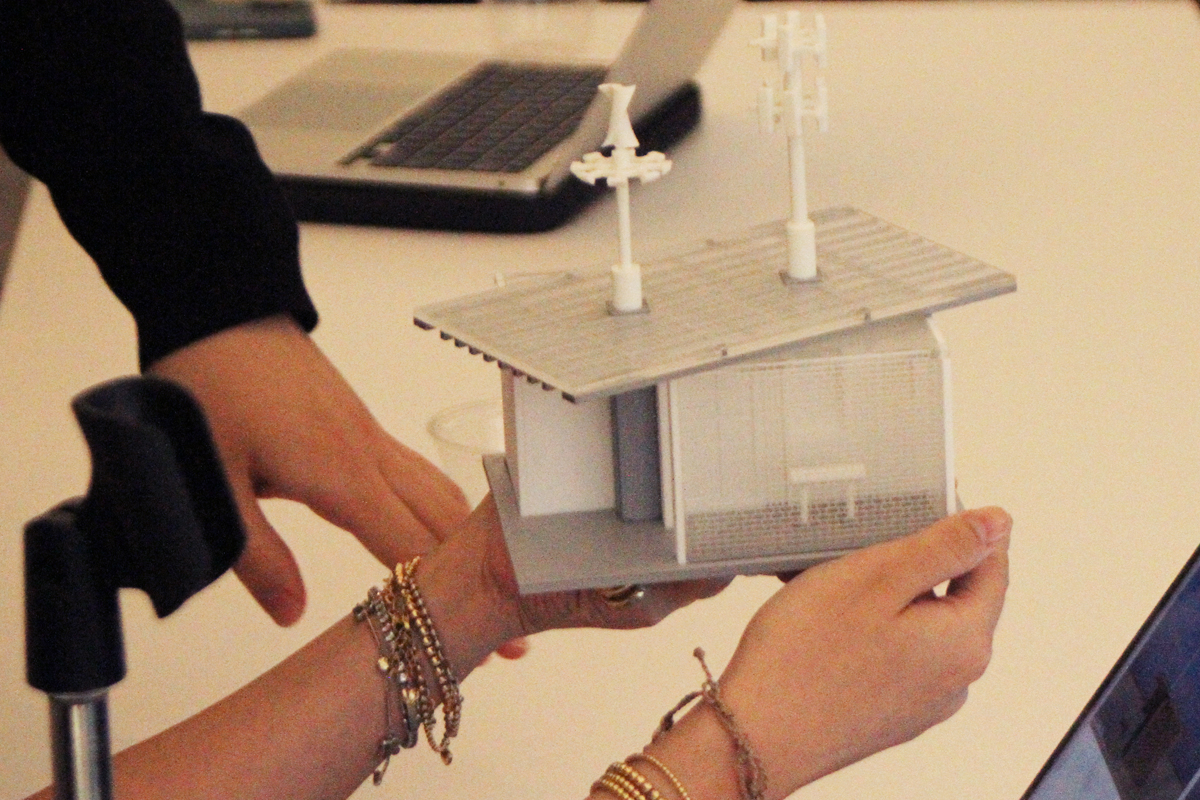
Reimagining Healthcare is a collaboration with the World Bank Group (WBG) Health, Nutrition and Population Division's Service Delivery Innovation Team that invites students to design, experiment, and prototype novel frameworks and systems to address inequities in the complex health system ecosystem. The WB Service Delivery Team sits at the nexus of program design and systems innovation with the focus on supporting client countries on scaling innovative service delivery models into large-scale health programming to shift toward more adaptive, inclusive systems that can achieve sustainable results. This class is collaboratively taught by Ayo Okunseinde, Elizabeth Ann Mitgan and Jumana Qamruddin.
Adaptive Technology
Spring 2022 at The New School
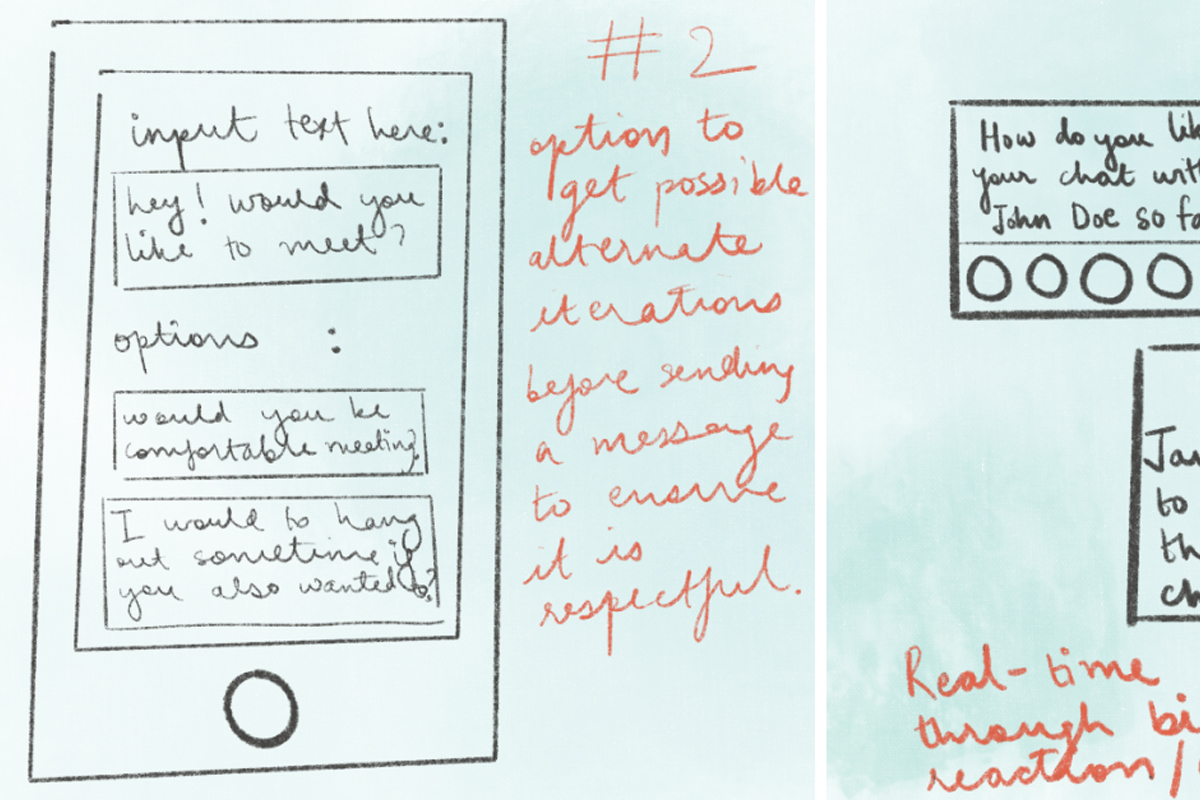
In Adaptive technology, students will focus on building personalized experience and technological interventions for health care and rehabilitation. The class is taught in collaboration with Torin Blankensmith, Mischa Kuma, and the Abilities Research Center (ARC). The ARC is a part of The Icahn School of Medicine (Mount Sinai) and is a leading U.S. academic medical center and an international leader in medical and scientific training, biomedical research, and patient care. Students will work with a team of neuroscientists, rehabilitation specialists, designers, and engineers to develop technology-driven responses for individuals with a range of abilities and chronic conditions with a focus on use of technology to enhance functional independence. Throughout the course, students will learn about the history of assistive technology, common causes of technology abandonment in the disability community, and get hands-on experience with emerging technologies and methodologies used in assessment and rehabilitation.
Digital Borders
Fall 2020 at The New School
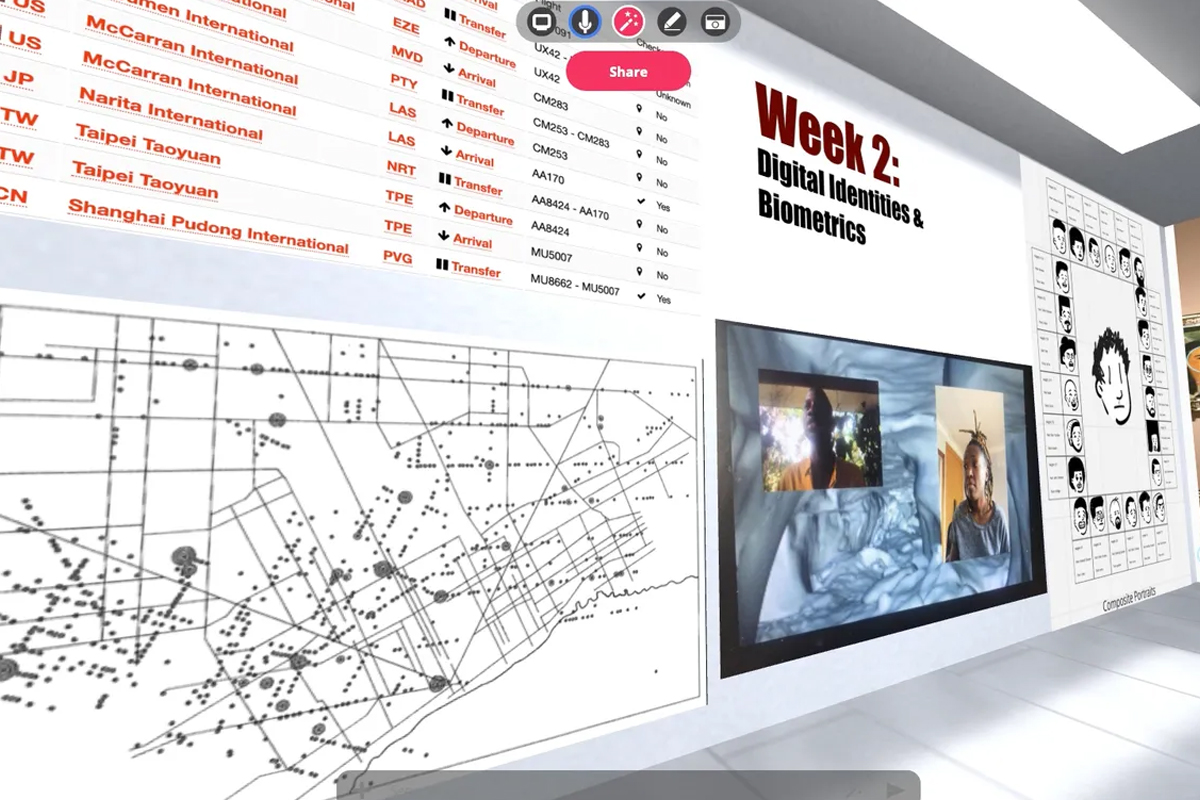
In this multidisciplinary course, students will confront the ways new technologies are changing border controls and the regulation of migration. These technologies include automated facial recognition, the usage of other biometric markers, the observing of digital presence and more. Alongside harsher border controls, where artists are under scrutiny and increasingly restricted, an emerging body of artists are responding to the border through activism, performances and installations, as well as shaping collaborations in the digital realm. We will discuss this in response to our current time: COVID-19, BLM, financial crises, student restrictions etc. We believe this class gives students the opportunity to process collectively what they are living through. The class will culminate in students' own final multimedia project where they, as artists and investigators, respond to notions of digitized borders. Students are expected not only to engage their critical thinking skills with respect to the class topics, but also to design, build, and deploy creative responses.
What is the impact of emerging digital borderscapes on the lives, works, and practice of artists? What are the hurdles faced in artistic practice when transgressing the national borderscape? How can artists and investigators respond to the changing face of the nation-state border? These are the main questions that will connect the weeks presented below. Have these questions in mind as you engage with the material.
Technologies of Protest
Spring 2022 at The New School
In the last 2 years, we have witnessed renewed calls for social justice in the face of police brutality, mass incarceration, and health pandemics, all issues that disproportionately affect BIPOC communities worldwide. The calls for social justice require that we not only take a stance against systems that foster such inequities but that we also study the tools and methods most effective in bringing about substantive change through resistance. This class offers students opportunities in a diverse and inclusive learning environment to ask questions and take action on critical social justice causes. It brings in experts from The Africa Center to discuss and contextualize these issues in frank and affirmative in-class lectures and activities.
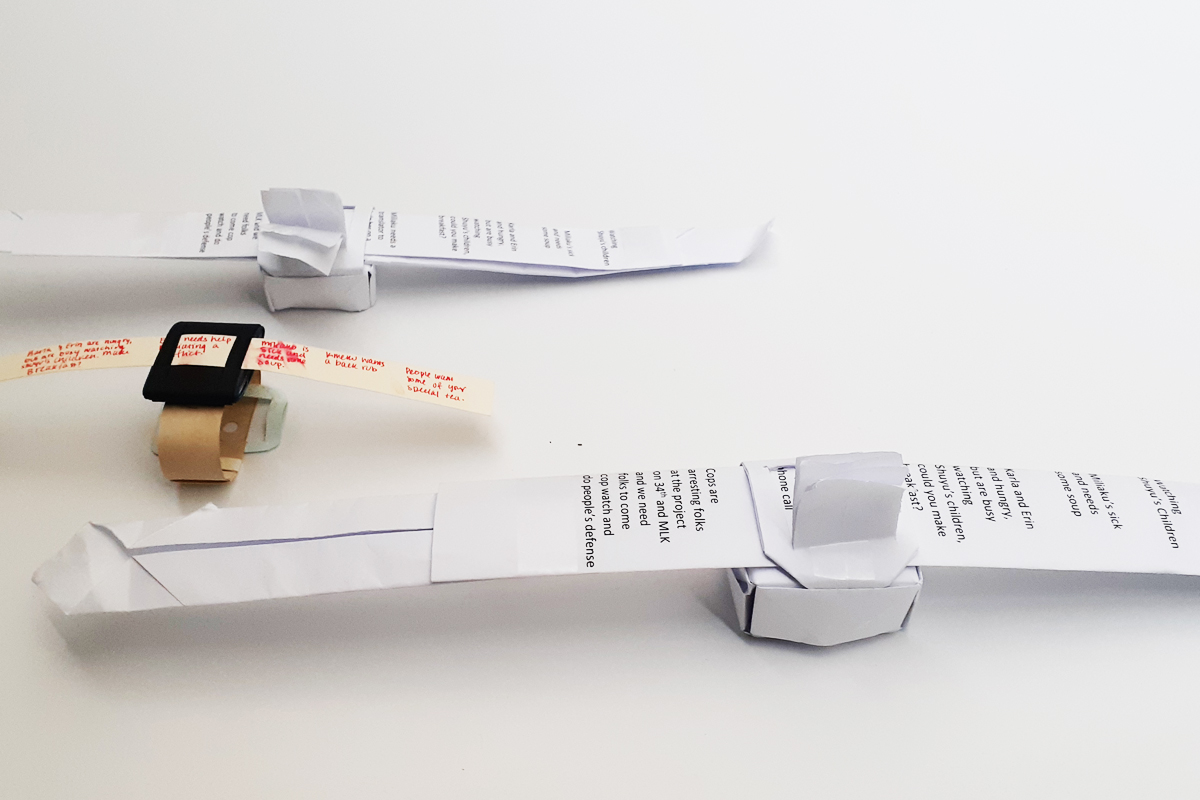
Technologies of Protest is a Collab Studio course between Parsons' Design Technology department and The Africa Center (TAC), a nonprofit, nonpartisan, multidisciplinary institution that is radically reimagining the stories and structures shaping the lives of people of African descent in Africa and around the world. The organization is transforming narratives about Africa by centering human stories of the continent and its people in contemporary culture, policy, and business. This course offers students the opportunity to explore, through historic, contemporary, and geographic lenses, the technologies of protest. We will ask in what ways do individuals and communities utilize technology for activism and protests against injustices, whether via the body, organizational structures, print ephemera, telecommunications, or social media.
Prototyping the Margins
Spring 2019 at New York University
Our perceptions of the future have been conjured via media, cultural references, and select readings as well as fact. In this we receive particular cultural and gendered perspectives, even unconsciously. Prototyping the Margins asks us to re-envision more diverse and inclusive futures, to ensure that they will exist. Through the reading and reference of alternate texts, using non traditional perspective and high-lighting bias, this class will deconstruct previously held notions of the future through reexamining the past and rethinking the present via storytelling and prototyping.
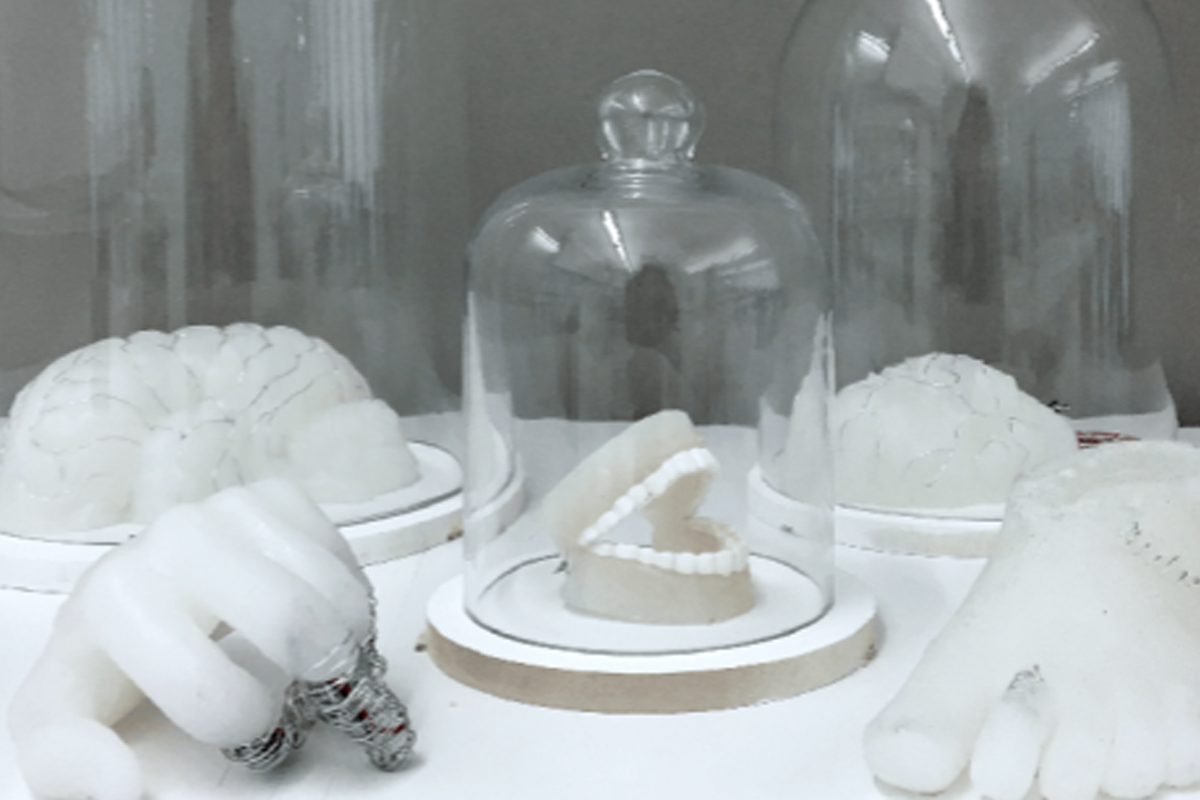
In this course, students would engage in literary exploration, design thinking, creative research, storytelling, and rapid prototyping. They will read and investigate "alternative culture" resources, remix their own narratives based on their findings, then prototype speculative expressive artifacts or environments that speak to the diversity of futures found. Throughout the semester, students will create 3 projects in the categories of Environment, Body, and Object that exist in their narrative world. Their final presentation would be in the form of an exhibition, in which students will have an opportunity to discuss their narrative, methodology, and process with external expert critics.
Internet of Things
Fall 2017 at The New School
The Internet of Things, the next evolution of the Internet, aims to connect up to 50B embedded, internet-connected devices by 2020. This is seen as a catalyst for major shifts in how cities and governments will operate, business will deliver products and services, and people will communicate. In this course, students will discover the origins of this trend, what technological innovations are making it possible, and how it is impacting the world. This course will be largely production based: students will work on developing their own Internet of Things enabled projects from concept through prototyping, development, and deployment.
The course is divided into three sections. Section I, Input/Output, revolves around getting digital and analog inputs via sensors and switches into devices, as well as getting PWM and digital outputs to actuators from the devices. Section II, Data/Networks, is focused on the creation of networks using data stored in databases or directly sent via devices used in class. Students are expected to create small projects at the end of Section I and Section II. In Section III, students are expected to leverage information learned in class to produce a final project.
Alternate Futures
Spring 2016 at The New School
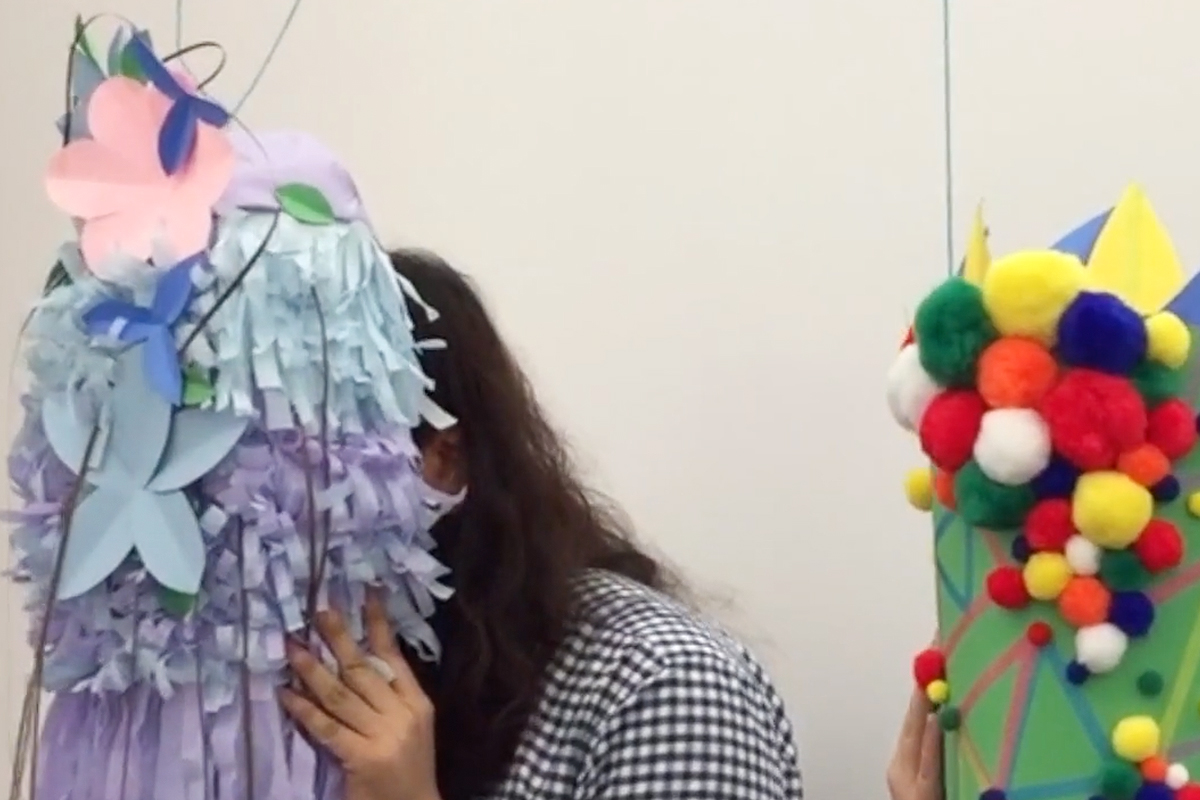
Alternate Futures is an affirmation of the unique positions people of color, women, and queer people hold in design, technology, and media. The course aims to identify challenges faced by these communities and speculate solutions to these challenges to build futures that are self-determined and radical.
The course is designed to facilitate student research, conceptualization, writing, iteration, and production. Critical analysis of course readings and materials is key to the ability to form cohesive arguments for students' final papers and projects.
Final papers and projects will revolve around: a well-researched analysis of systemic challenges, the creation of speculative solutions to an identified issue, a solution that promotes diversity, access, and representation in the world of design, technology, and media.
New Mythologies
Fall 2018 at The New School
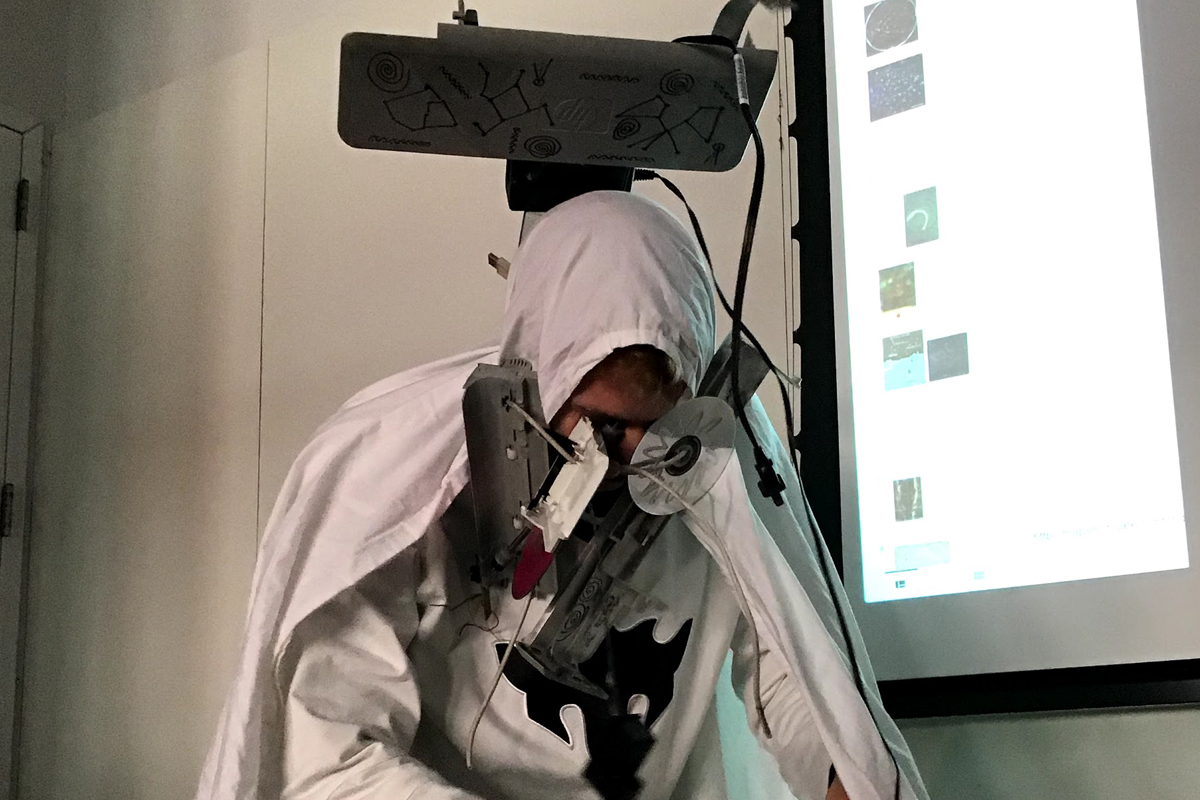
Humans have long created stories of superhuman/supernatural entities and have sought their guidance through rituals. Now, through artificial and machine intelligence, humans have created inhuman entities with superhuman capabilities. And we seek successfully or unsuccessfully to communicate with them and invoke their power for wisdom or profit. We have created new forms of ritual using technology. We have substituted the traditional sacred space with a virtual one. And we commune with one another and with these new divine beings in the digital realm. We have in essence created new mythologies. New Mythologies will explore the interaction between traditional mythologies and technology and how through this interaction new mythologies and rituals arise. The course will combine an overview of traditional mythologies and rituals with an exploration of artificial/machine intelligence (e.g. neural networks and deep learning such as TensorFlow) as well as new media artists' use of technology as a means of interpreting and creating mythologies and rituals. Through readings, discussions and brief writing assignments, we will also investigate the role these new technologies and mythologies play in our ever-changing socio-political climate and in digital colonialism. Though students will have small exercises throughout the semester, these exercises will be directed toward completing one project as a final. Students may make use of any relevant technologies in order to convey a concept of these new technologies' influence on our ideas of the divine.
Medieval Multimedia
Fall 2019 at The New School
Like modern communication supports, medieval music manuscripts convey ideas through design. Some are masterpieces of multimedia design: they include not only music, but symbolic poetry, elaborate manuscript layout with eye-catching visuals, and sometimes allegorical illustrations. These are not just works of art, but often expensive communication supports commissioned to have a specific impact on a specific audience. Their motivations are diverse: political campaigning (Roman de Fauvel), spectacular exercises in personal branding by wealthy individuals (Codex Chantilly), extravagant wedding gifts to cement an alliance (Cyprus Manuscript). Others yet are collective works of a fashionable young urban generation (Codex Montpellier) that use a distinctive juxtaposition technique whose design structure is curiously analogous to today's "starter pack" memes—and whose esthetic was just as incomprehensible to the previous generations as memes are to today's older generations. This course will take students through the musical, poetic and visual elements of these multimedia manuscripts and analyze their design features. We will investigate which strategies made some of them exclusive, and why the structure of medieval society could make it more sensible to design ultra-luxury products for a limited but powerful audience than more accessible products for a wider audience. Many of these medieval musical manuscripts make extensive use of scientific lingo and imagery as a communications tool—just like today's marketing. We will study how their often flashy use of scientific novelties in medieval mathematics (fractions), physics (magnetism), astrology and cosmology would have dazzled medieval audiences and established trendsetting credibility.