
In "The Work of Art in the Age of Mechanical Reproduction", Walter Benjamin argues that mechanical reproduction transforms our relationship with art by altering its accessibility, perception, value, and overall experience, fundamentally changing its "aura" (Benjamin, 1935). Similarly, ethnography has been significantly influenced by the technologies of its production and reproduction. These advancements have both enriched and complicated the field, mediating its core nature.
In the age of artificial intelligence, these questions have become even more pressing. Technologies like ChatGPT and Midjourney have introduced new concerns about bias, authorship, accuracy, and methodology, reshaping the landscape of ethnographic practice. AI holds the potential to transform ethnography, whether as a collaborative tool or through expert systems trained on vast datasets. It can enhance aspects such as multimodal analysis, automating diverse data examination, and streamlining research, thereby providing deeper insights into cultural phenomena. With Malgorzata Bakalarz-Duverger, Lowan Lee, and Spencer Kaplan.
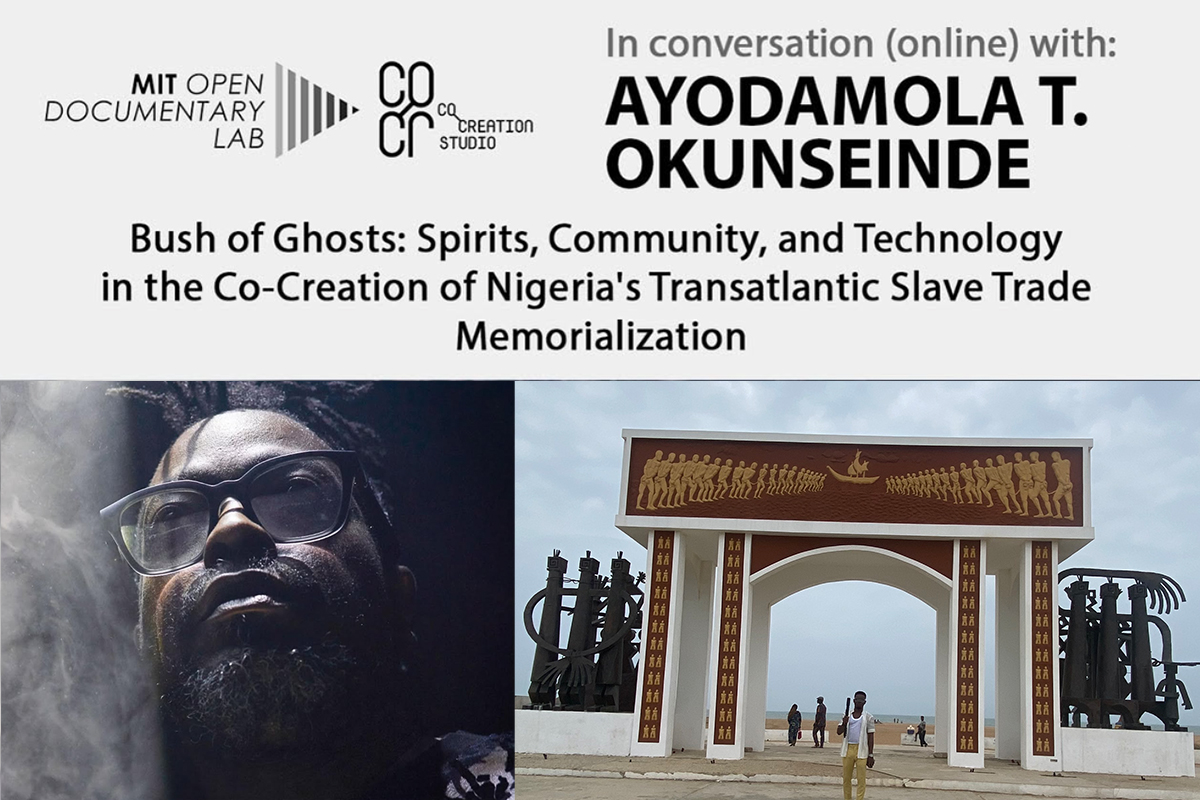
This talk explores the complex ways in which Nigeria memorializes the transatlantic slave trade, moving beyond traditional archival approaches to center spiritual, communal, and technological dimensions. It examines how indigenous spiritual practices, often overlooked due to colonial erasures, intersect with contemporary media, museum narratives, and community rituals like Egungun. Through multimodal ethnography, material analysis of artifacts, and collaborative co-creation of memory experiences, the project investigates how these elements shape understanding of the slave trade’s legacy.
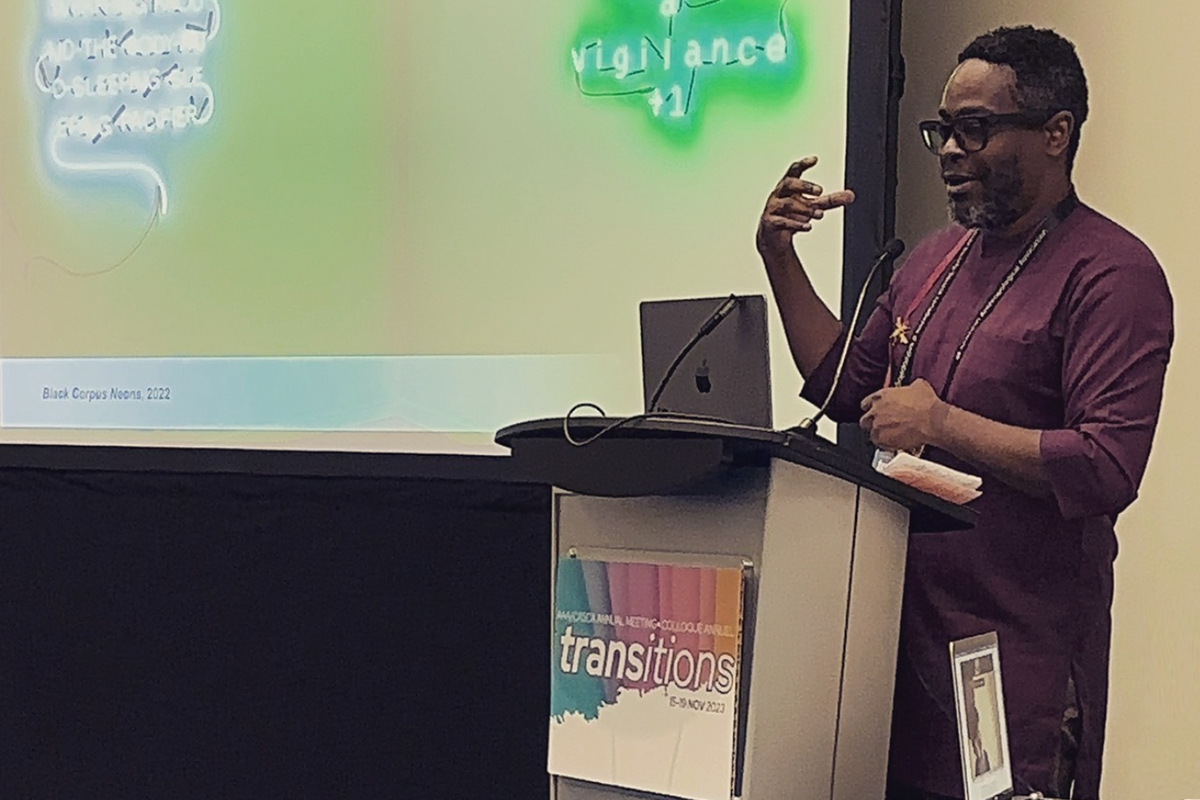
Technologies from the South as Method and Challenge
This panel is an open space to reflect on what it means to study technologies "in and from the South" at the United States academy. Amrute and Murillo (2020) use "in/from the South" to describe the South as a power relation and a method to change dominant frames about the past, present, and future of technology. Continuing this and other conversations at the intersection of post/decolonial and feminist studies of technology (Beltrán 2022; Law and Lin 2017; Lyons et al. 2017; Philip et al. 2012), the panel pushes beyond traditional frames of exploitation versus resistance for the study of the so-called peripheries, and it rather emphasizes the transitions, transmutations, and translations the globalization of both knowledge and technologies has generated. Work discussed in this panel pays particular attention to the relational, political, and affective undercurrents these transmutations and translations produce between North and South. With Ambar Reyes, Héctor Beltrán, Kim Fernandes, Liliana Gil, Luis Felipe R. Murillo, Sareeta Amrute, and Veronica Uribe-del-Aguila.
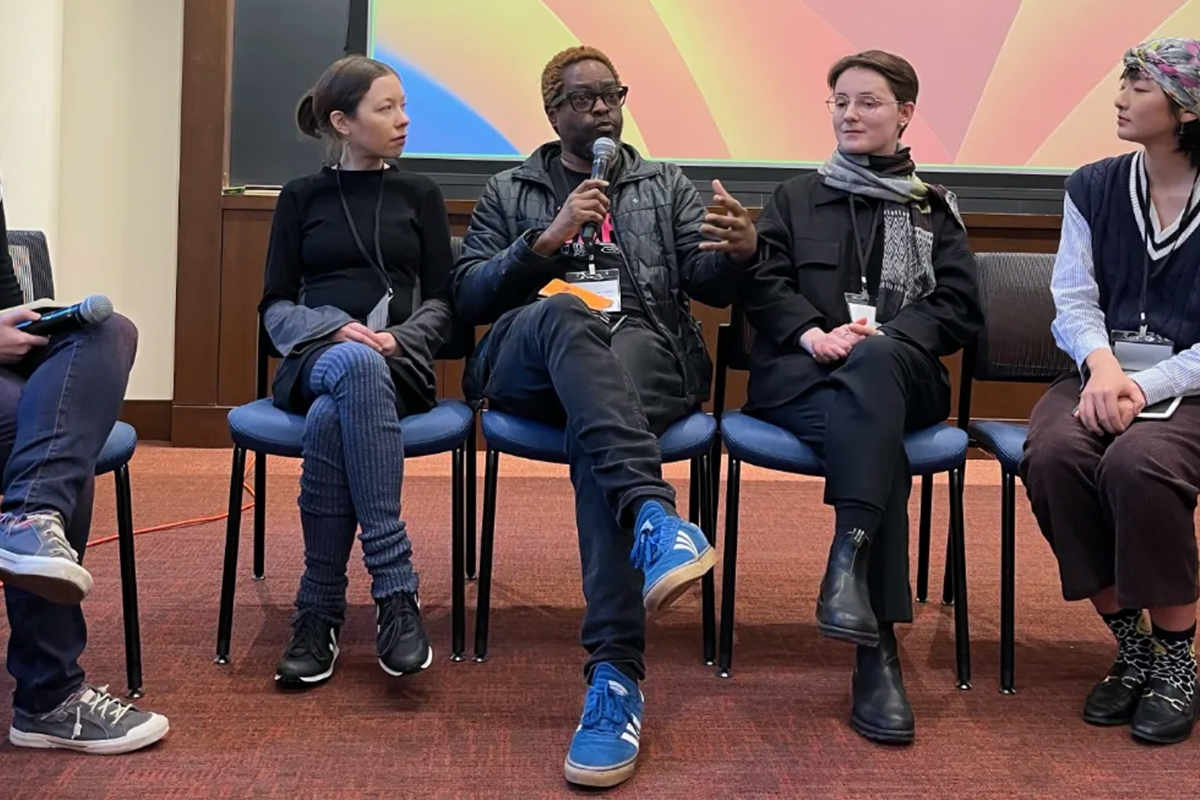
When Mark Zuckerberg unveiled his vision of “the metaverse,” he depicted a future in which digital and physical worlds seamlessly intermix. Work, play, learning, creating – in other words, living – were imagined to span a “mixed reality” environment.
A question arises for anthropologists, ethnographers, and other critical scholars of technology: how best to study these “mixed reality” worlds and the digital technologies they employ? Should one favor a methodological approach that follows these technologies, their creators, and their users into the virtual, or should one remain in the physical, searching out “IRL” traces of these virtual constellations? This workshop seeks to bring together scholars spanning these methodological orientations in their studies of today’s digital and virtual worlds. The aim is to seed a discussion about how both digital and analog ethnographic approaches are necessary for understanding these technological trends. Given how COVID-19 forced many of us to pursue remote and online research methods, we want to be mindful of what additional questions and opportunities present themselves as physically present modes of research become tentatively possible once again.
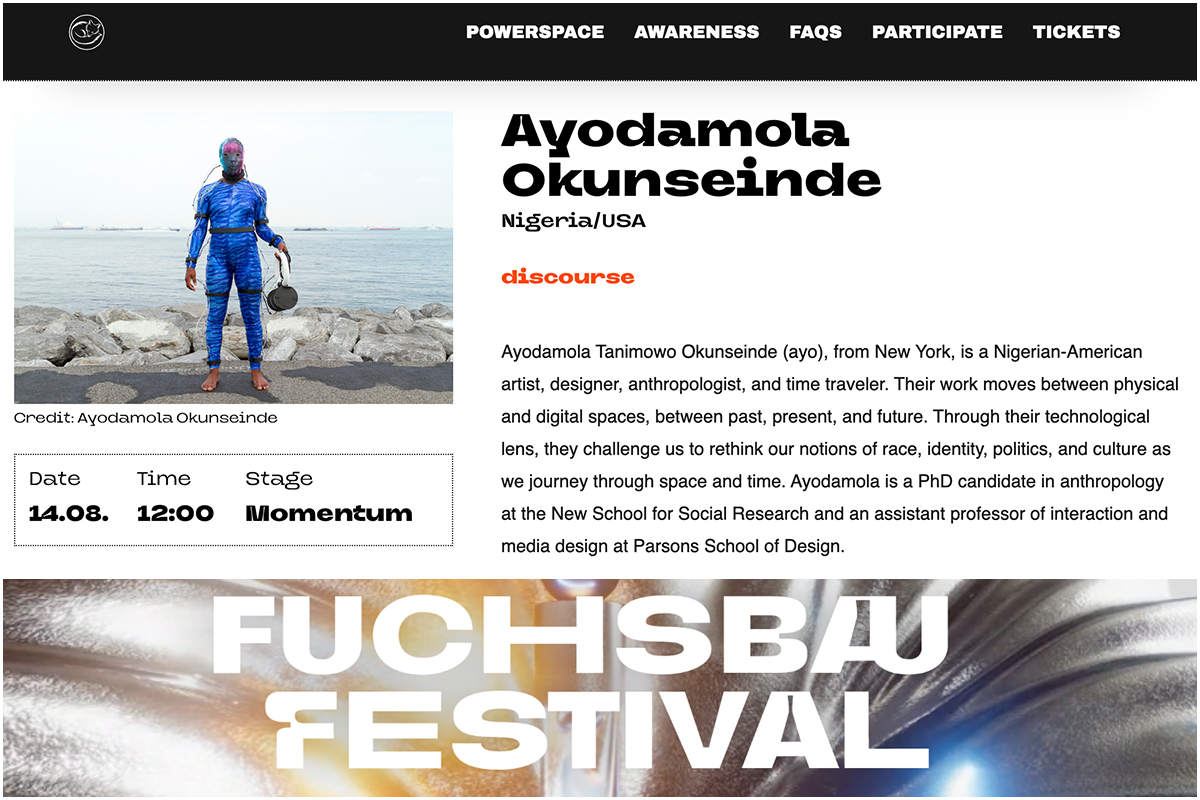
The idea of time travel defies the notion of time as something linear. Quantum mechanics even suggests that time runs backward at the edges of black holes. For us, this means that futures must be conceived of together with and simultaneously with the past. In this experimental format, we will jointly discuss and develop the opportunities that time travel—as a radical act of resistance against hegemonic conceptions of temporality—opens up.
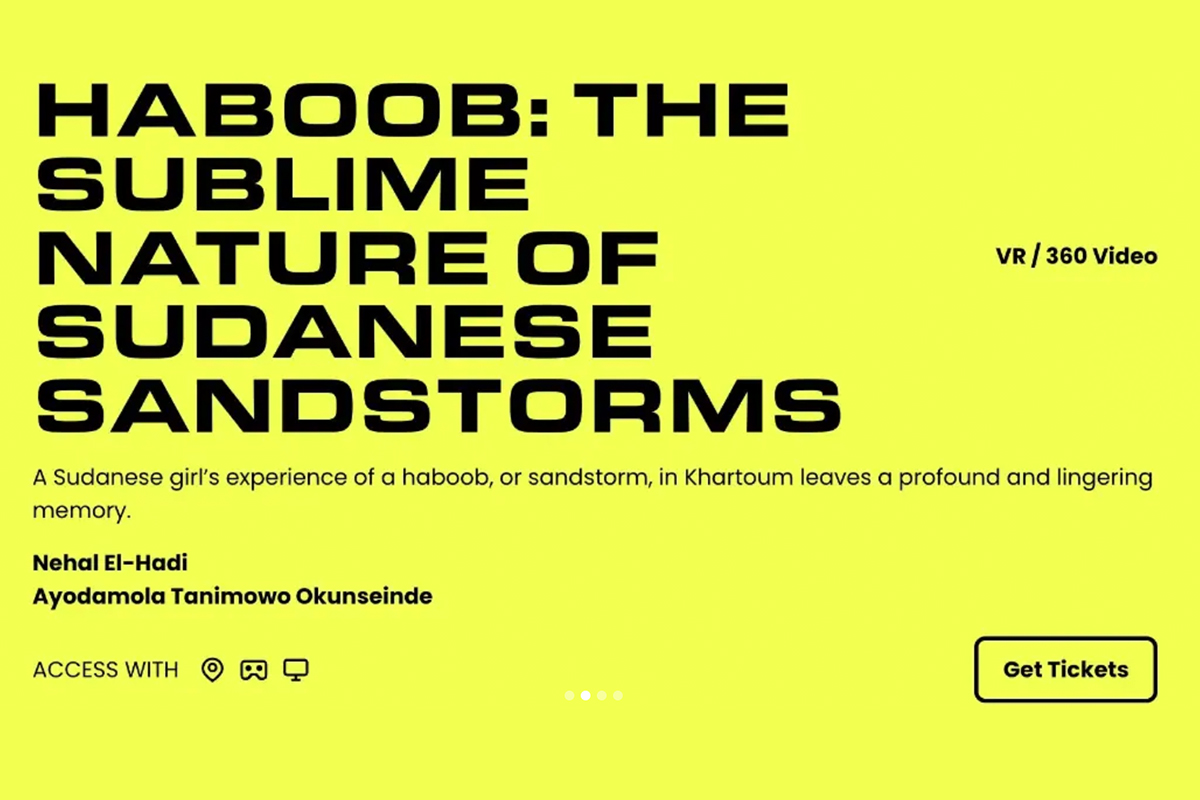
Sand is the material that matters most to what it means for us to be human — socially, culturally, technologically, politically. It is plentiful, and yet our demand for it and extraction methods are creating irreversible damage. Sand geographies, from beaches and deserts, to ocean floors and sandstorm tracks, shape how we live in and engage our environments. As an environmental journalist, sand provides material with which we can — almost — grasp and start to make sense of what it means to be human during this time of ecological crisis. Examining our relationships with sand can, perhaps, guide us to a more just, equitable and environmentally conscious future.